Top 7 Trending Tax Scams to Avoid
Tax scams are evolving fast and getting more sophisticated every year. From fake email to text messages and phone calls demanding payment, scammers often try to create urgency or fear to trick victims into sharing sensitive information or sending money.
First and foremost, know that the IRS will never contact you by email, text or social media channels about a tax bill or refund. Most IRS initial communications are sent through regular mail, but taxpayers must also be aware of fraud scams by mail.
Here are some common schemes to be aware of:
Phone Calls
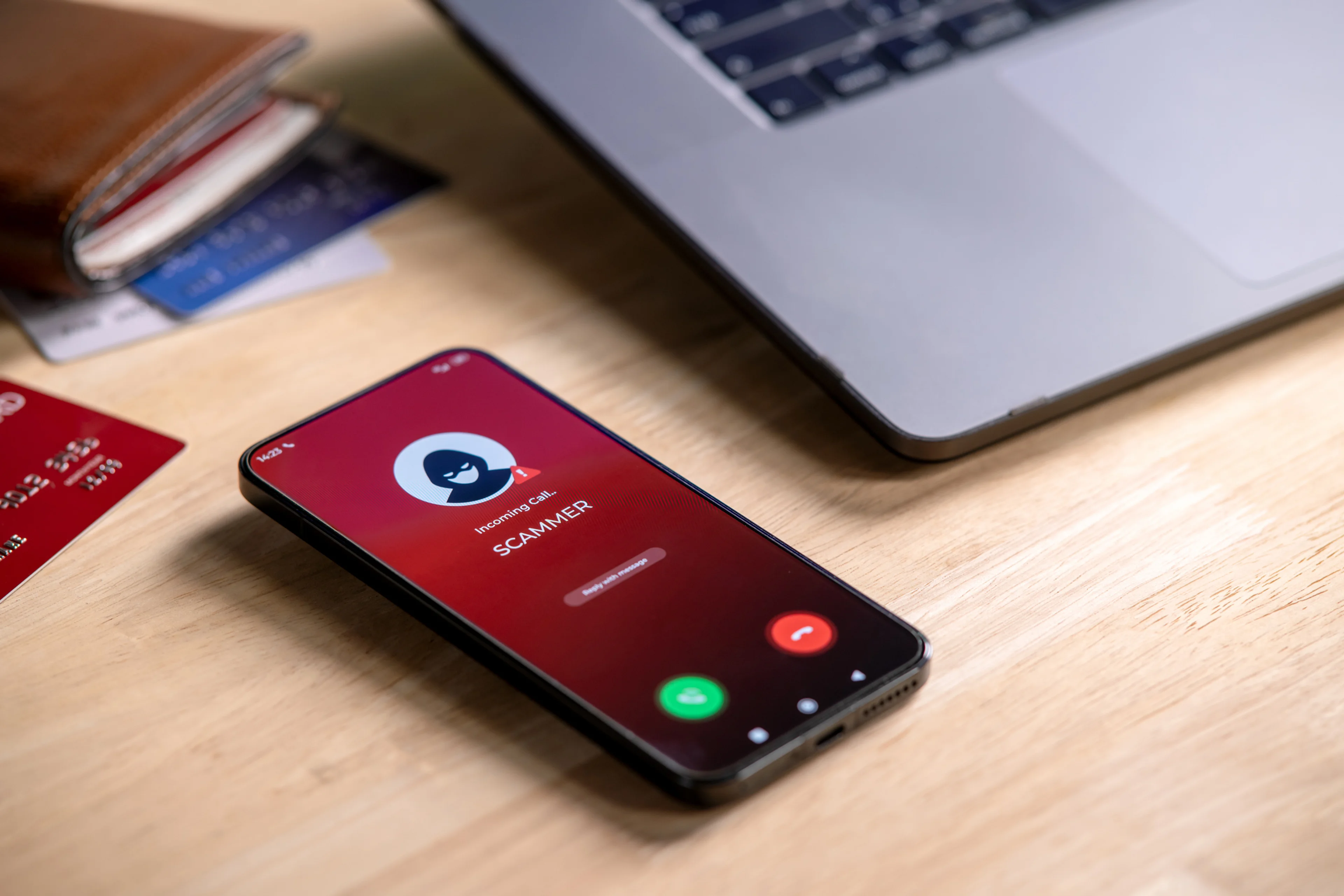
AI-generated voices and spoofed caller IDs to impersonate IRS agents are becoming more common. Scammers may leave urgent messages threatening arrest, penalties or legal action unless immediate payment is made. The IRS stresses that it won’t demand immediate payment over the phone. Also remember that the IRS already has your Social Security number, so if you get a call or message saying it’s the IRS and asking for your number, it’s someone trying to steal your identity and defraud you.
Text Messages and Emails
Scammers use text messages and emails containing fake IRS links or QR codes to direct taxpayers to fraudulent websites designed to steal personal or financial information. These messages often claim there’s a problem with a refund, tax return or IRS account to try to create panic and pressure taxpayers into responding quickly.
Fake IRS Notices
One current scheme takes advantage of growing confusion about the IRS CP53E notice related to tax refunds and bank account information. As the IRS shifts from paper checks to direct deposit, it’s mailing these notices to taxpayers who may need to add or update their banking details. Unfortunately, the IRS sometimes mistakenly sends the notices when a taxpayer has already provided this information, creating confusion. Now fraudsters are sending fake versions of the notice in an attempt to steal taxpayers’ sensitive information. If you receive an IRS CP53E notice, verify its authenticity before acting. Don’t click links or scan QR codes.
Malware
In scams to infect computers and phones with malicious software, a phony email claims to come from the IRS, often under the guise of a refund or underreported income. There may be an attachment or a link to a bogus web page with your “tax statement.” When you open the attachment or click on the link, malware is downloaded to your device. This malware can give criminals remote access to your device and allow them to search for passwords, banking information and other sensitive data to help them steal your assets or your identity.
Account “Assistance”
The IRS recommends that taxpayers create an account to securely access their tax information. The account lets you view your refund status, make payments, check your balance and more. Beware of scammers offering account setup “help” so they can collect your sensitive data or use stolen personal information to access your account without authorization. Once inside an account, they may attempt to redirect refunds, obtain tax records or use the information to commit additional identity theft. Create and always access your account directly through IRS.gov, don’t share your information with unsolicited third parties and check your account regularly.
Fake Online Deduction Calculators
These digital tools are intended to steal personal information and money from unsuspecting users. They’re often accompanied by false promises about new or expanded tax credits and deductions. The IRS says you should use calculators only on sites that end in .gov (such as irs.gov) or of well-known tax software companies. Also, be wary of any calculator that guarantees its result. Legitimate calculators can only produce estimates. And, as always, be suspicious of claims that seem “too good to be true,” such as unusually large tax savings.
Claim Schemes
The IRS also warns taxpayers to avoid other schemes involving questionable refund claims or credits promoted online or through social media. Promoters may encourage taxpayers to file inaccurate forms or claim credits they don’t qualify for. Improper claims can lead to refund delays, audits, penalties and other enforcement actions.
What to Do When Targeted
The IRS has launched a “Report fraud” webpage to simplify confidential reporting of suspected tax fraud or scams. It consolidates multiple IRS fraud-reporting options into a single location, allowing taxpayers to report suspected scams, tax evasion or other tax-related misconduct in one place.
If you’ve been a victim of identity theft, consider obtaining an Identity Protection Personal Identification Number (IP PIN). Issued by the IRS, this unique six-digit number helps prevent criminals from filing a fraudulent tax return using your Social Security number. It’s valid for one year and is automatically replaced after expiration. You can expect to receive a new one each year in mid-December to early January. You can apply online or get one at a Taxpayer Assistance Center. Once you receive your IP PIN, be sure to safeguard it and use it only on Forms 1040.
Here to Help
Tax-related scams continue to evolve, so it’s important to be cautious when receiving unexpected phone calls, messages or even letters involving taxes, refunds or financial information. Our tax pros are here to help you vet suspicious communications related to your tax return and answer questions about protecting yourself from tax-related fraud.