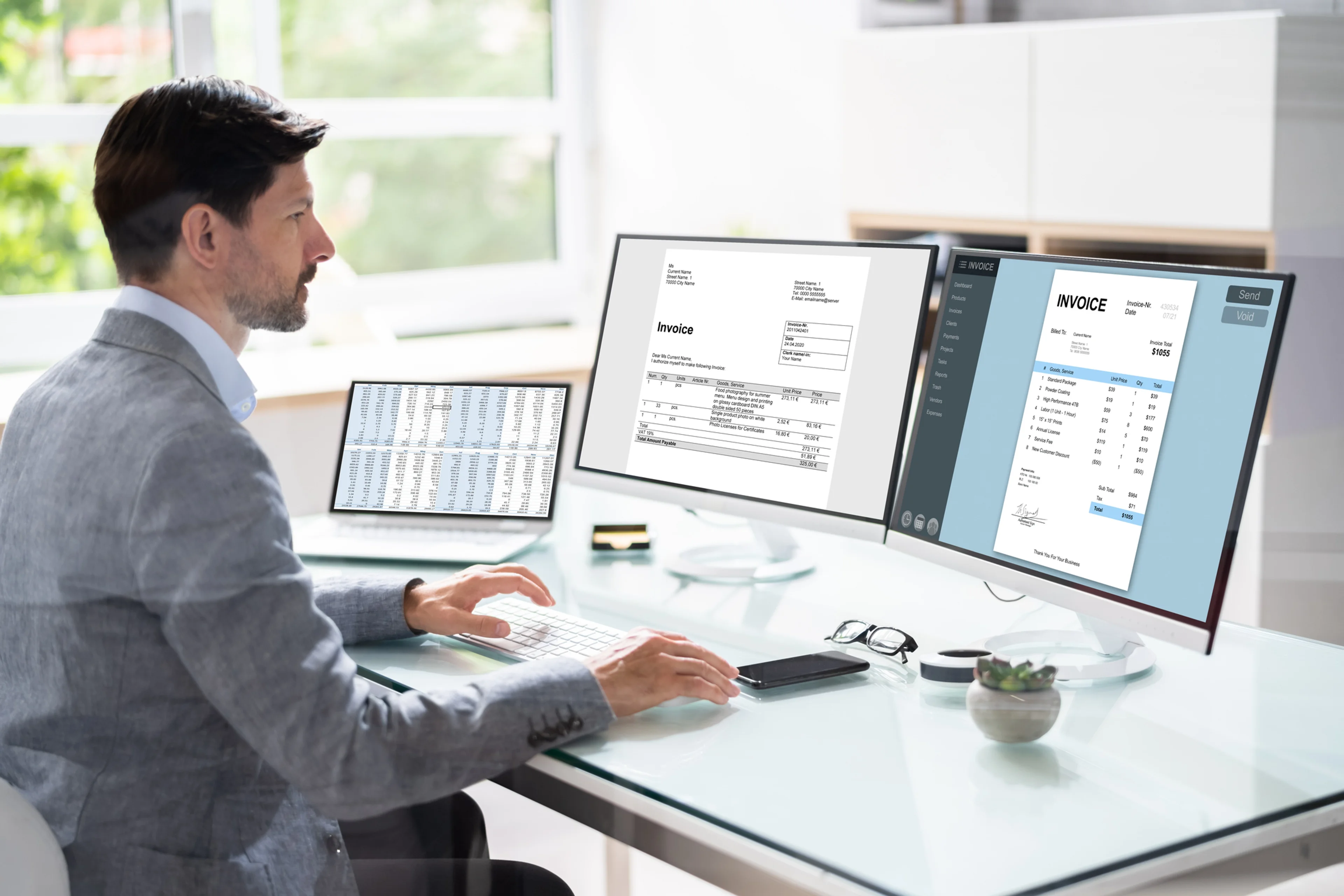
5 Steps to Optimize Your Billing Process
As your business grows, it’s easy for billing to slip down the priority list. Once invoices go out and payments come in, it may seem like everything’s running smoothly. However, small inefficiencies and overlooked errors can quietly chip away at cash flow.
Our outsourced accounting pros offer these steps to help you collect faster, reduce errors and strengthen customer relationships with your billing process.
1. Identify and fix issues promptly
Billing errors delay payments and erode customer trust. Invoices with incorrect amounts, missed discounts or incomplete details can lead to disputes and slow down collections. To help reduce billing issues:
- Review invoices for accuracy before sending them.
- Confirm that customer contact and account information is current.
- Track billing errors and complaints to identify recurring issues.
It’s equally important to address service or product issues quickly. Late deliveries, incomplete work or miscommunication can give customers an excuse not to pay on time. Encourage your team to resolve any billing or service concerns promptly and request payment for any undisputed balances while settling disputed items.
2. Invoice faster and more consistently
Delays in billing lead directly to delays in cash inflows. If you’re waiting until the end of the month to send invoices, you’re giving up valuable days of cash flow. Consider tightening your invoicing cycle by:
- Sending invoices as soon as work is completed or products are shipped.
- Establishing clear payment terms that reflect industry standards and shortening them if appropriate.
- Leveraging technology to automate recurring invoices, reminders and follow-ups.
If you haven’t already, move to electronic invoicing and online payment options to help make it easier for customers to pay and for you to track payments.
3. Use automation to your advantage
Modern accounting and billing software can do more than send invoices. It can alert you to overdue accounts and apply late fees. Your software can also generate cash flow reports to help you identify trends and trouble spots.
Make sure your billing system integrates smoothly with your accounting platform. Schedule periodic reviews to ensure your software is still meeting your organization’s needs and is compliant with current tax and reporting requirements. Also, confirm that your systems maintain proper data security, user permissions and backup procedures, especially when storing customers’ financial information. Our outsourced accountants can also help with implementing automation processes into your accounting systems.
4. Establish clear policies and communication
Strong billing practices start with clear communication. Provide customers with written documentation about your pricing, payment terms, late-fee policies and credit arrangements.
When billing disputes arise, handle them quickly and professionally. Maintaining goodwill while enforcing your terms is a balancing act, but it’s essential for predictable cash flow. Consistent enforcement also supports audit readiness and strengthens your internal controls.
5. Focus on what you can control
Economic shifts, customer demand and market disruptions are beyond your control, but it shouldn’t impact your billing process if managed effectively. Proactively monitor how invoices are issued, tracked and collected to help you protect your cash flow.
We Can Help
Implementing these steps into your billing process can be a seamless effort with the right team in place. Our outsourced accounting pros can help review your current billing systems, identify inefficiencies and implement stronger accounting practices that support steady cash flow. Contact us today to get started.